
 PT
PT
 English
 Español
 Français
 Português
 عربى
عربى
How Does an Inverted Vertical Wire Drawing Machine Improve Wire Quality?
Conteúdo
- 1 What an Inverted Vertical Wire Drawing Machine Does
- 2 How the Vertical Drawing Process Works
- 3 Advantages of the Inverted Vertical Design
- 4 Typical Applications Across Industries
- 5 Comparing Vertical and Horizontal Drawing Machines
- 6 Maintenance Practices for Consistent Performance
- 7 Choosing the Right Machine for Production Needs
What an Inverted Vertical Wire Drawing Machine Does
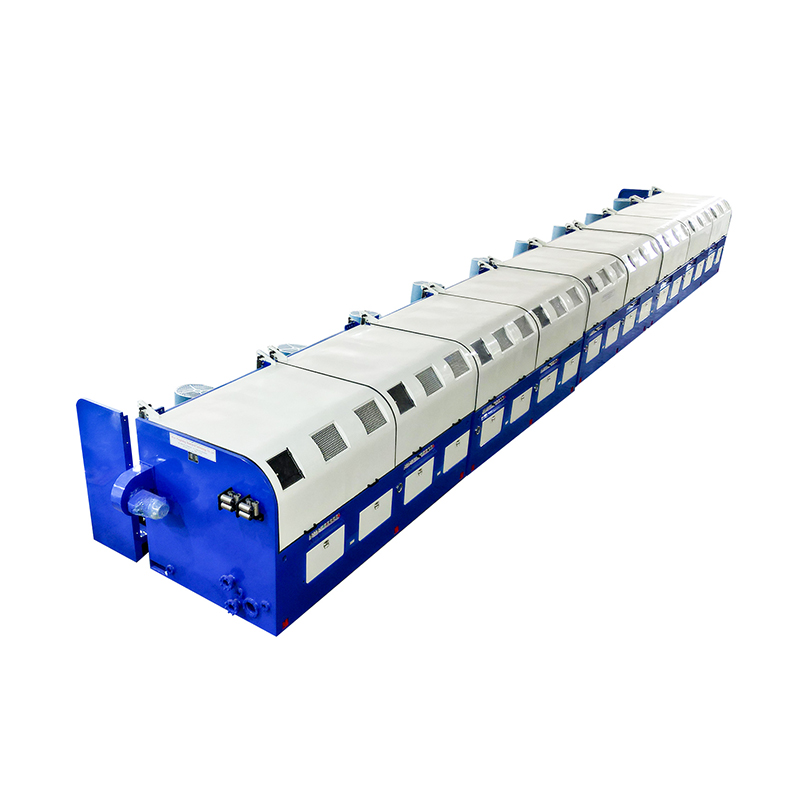
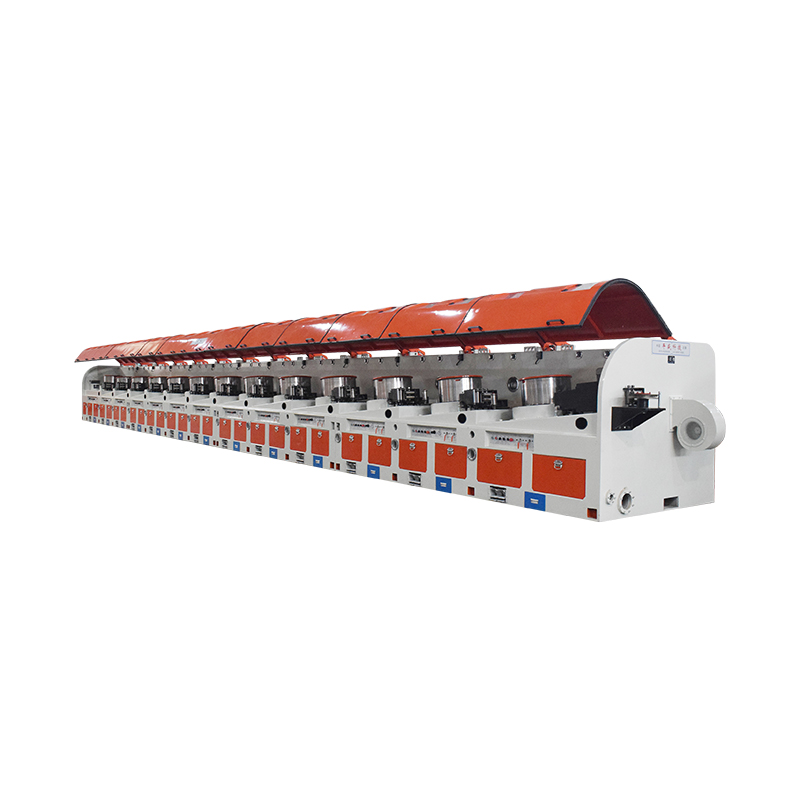
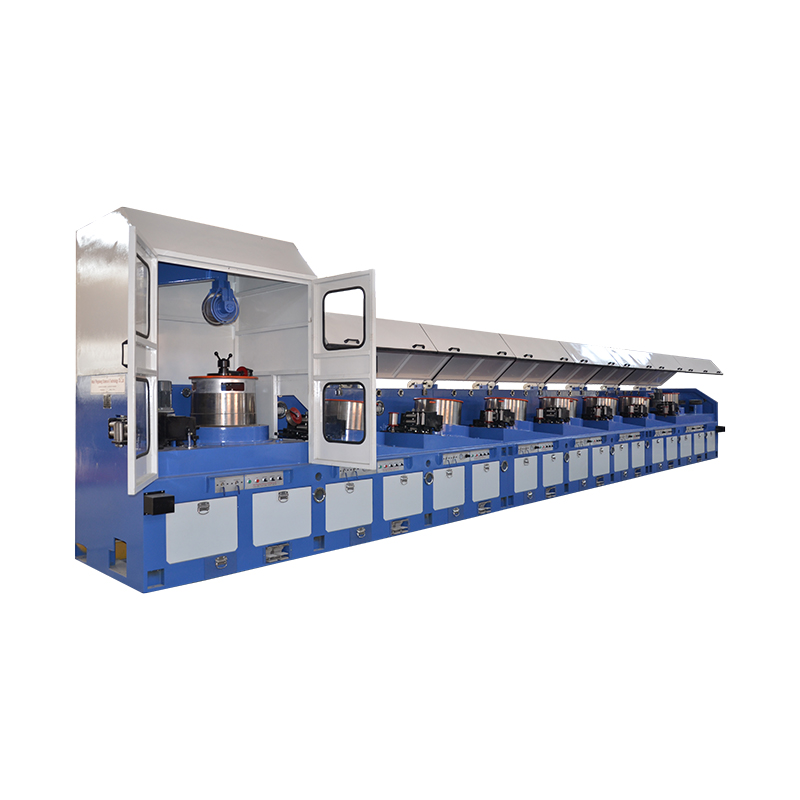
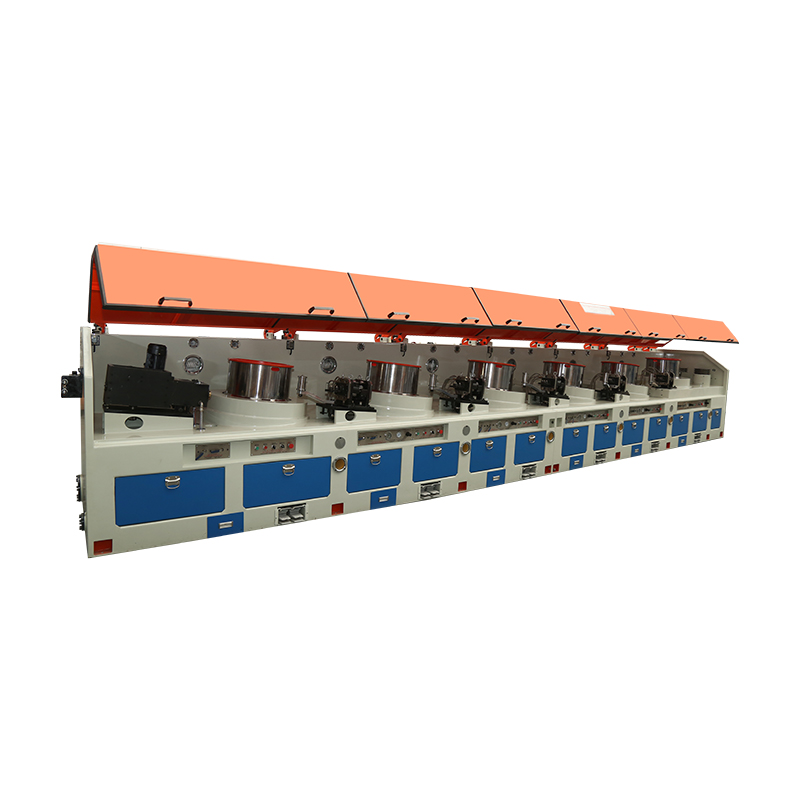
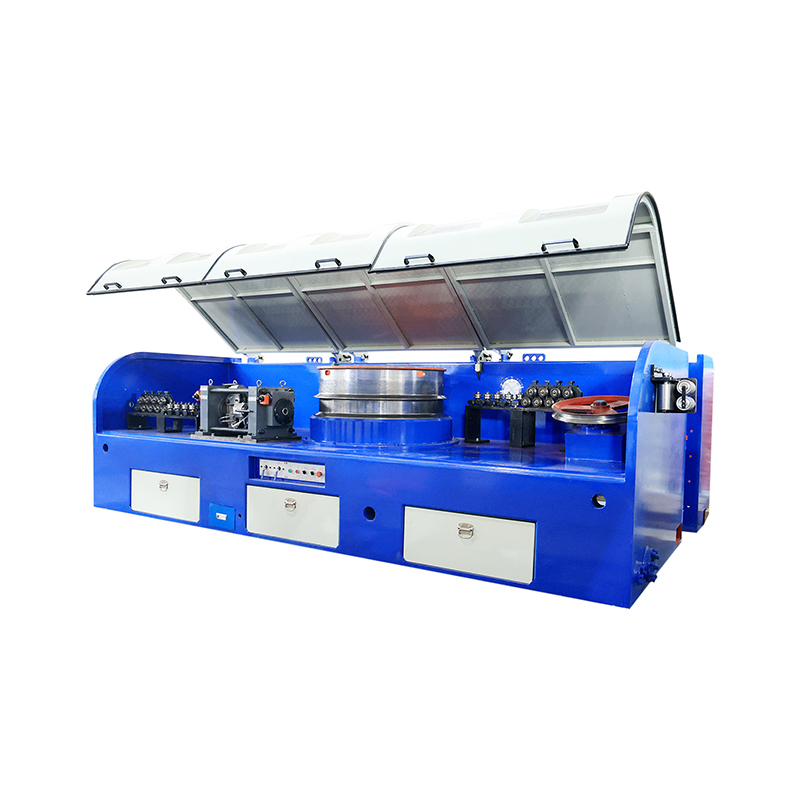
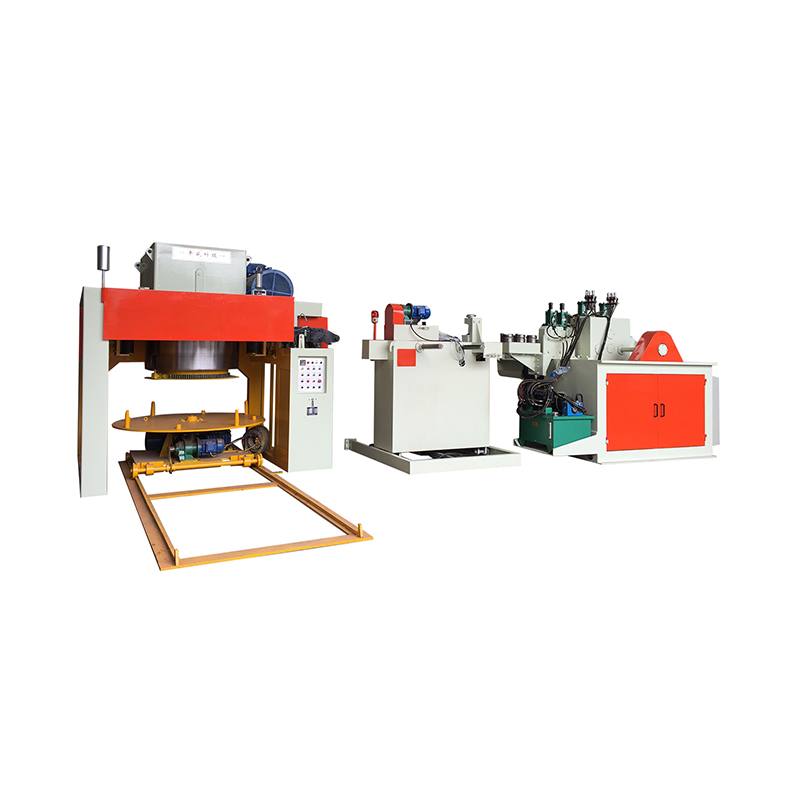
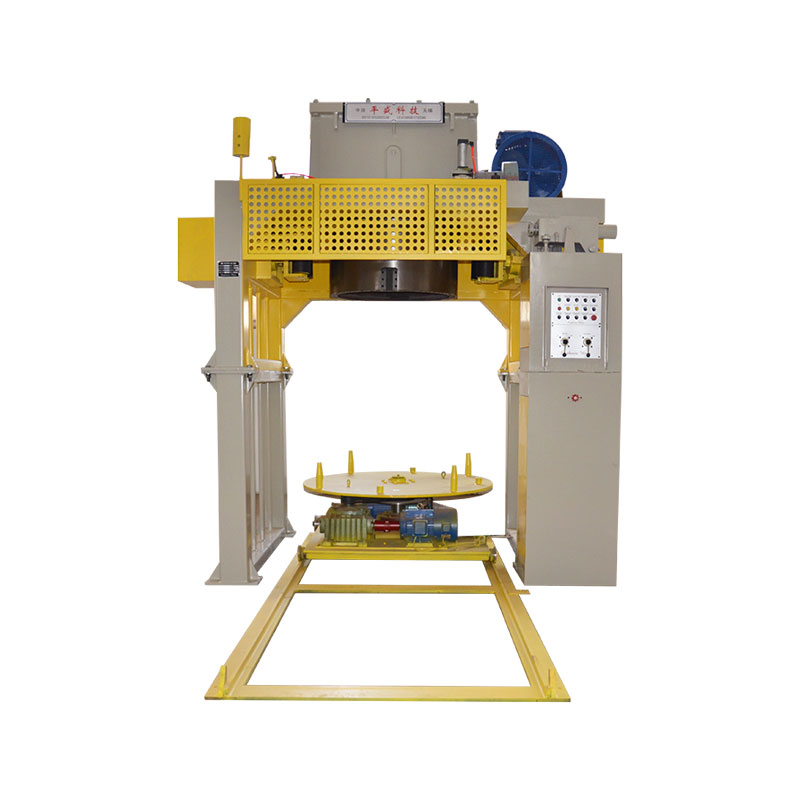
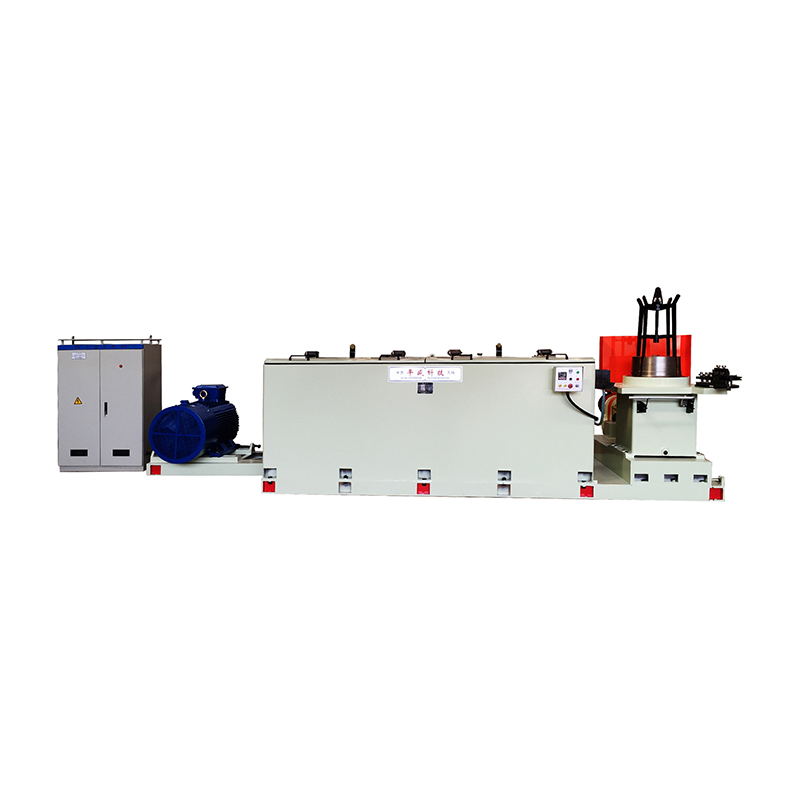
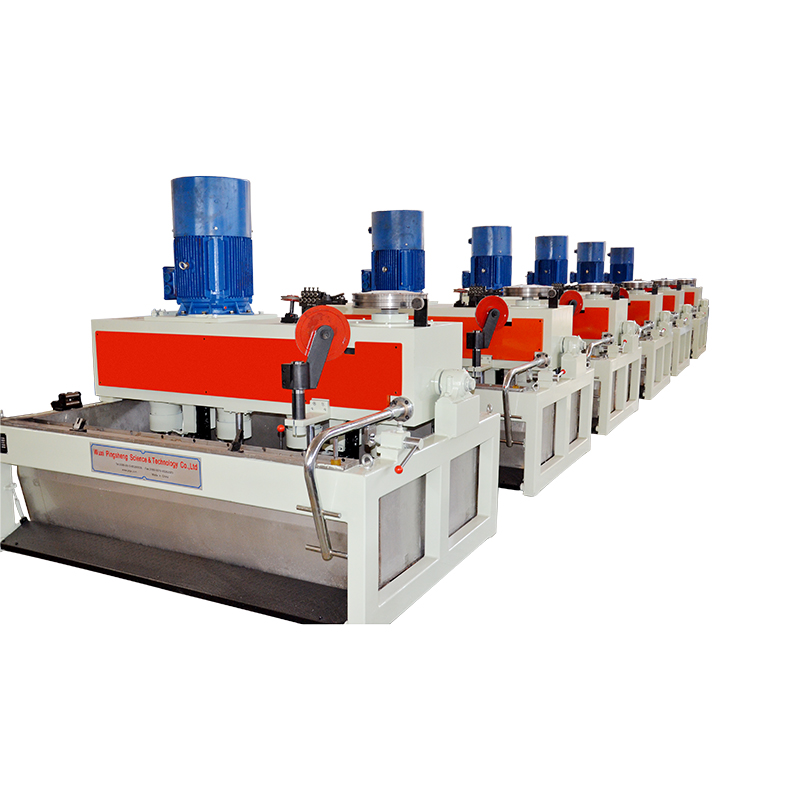
An inverted vertical wire drawing machine reduces wire diameter by pulling it through a series of progressively smaller dies arranged in a vertical configuration, with the capstans positioned in an inverted orientation compared to traditional horizontal drawing setups. This design allows wire to travel upward through the drawing sequence, taking advantage of gravity and vertical space to manage cooling, lubrication, and tension more effectively than horizontal machines operating within the same floor footprint.
The inverted configuration specifically refers to how the capstan blocks are mounted, with the drawing dies positioned below the pulling capstans rather than above them. This arrangement improves wire guidance through each die stage and reduces the risk of wire slippage, which becomes increasingly important as diameter decreases and tensile stress on the wire increases during the final drawing passes.
How the Vertical Drawing Process Works
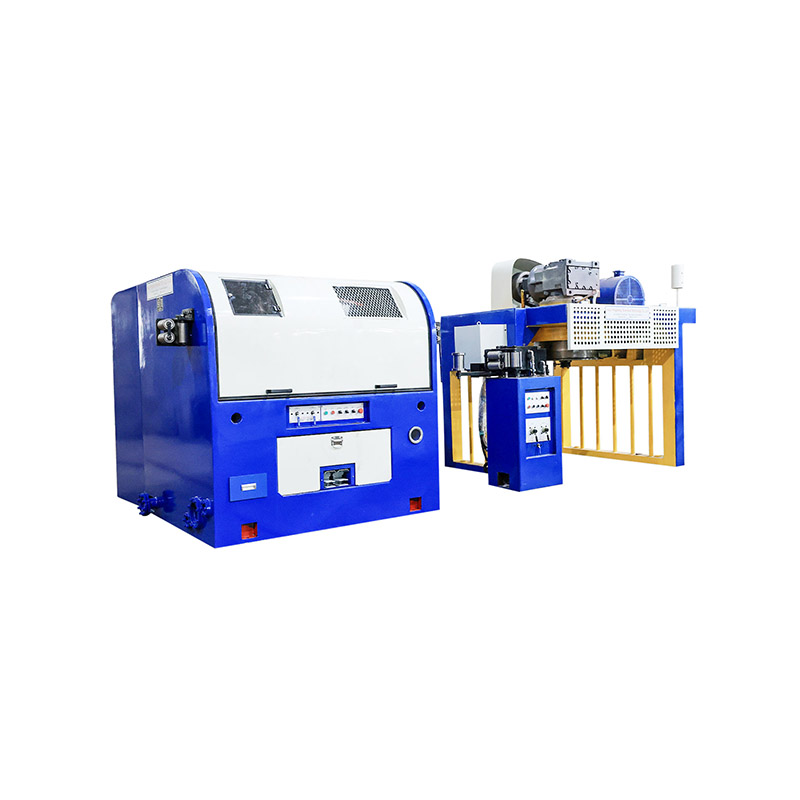
Wire enters the machine at the bottom and passes through a sequence of dies, each one slightly smaller than the last, progressively reducing diameter while increasing length. Between each die, a capstan controls tension and feeds the wire into the next drawing stage at a precisely coordinated speed.
Die Sequence and Reduction Stages
Each die in the sequence removes a calculated percentage of cross-sectional area, typically between 15 and 25 percent per pass, depending on the wire material and desired final properties. Too aggressive a reduction at any single stage risks wire breakage, while overly conservative reductions extend processing time unnecessarily.
Cooling and Lubrication Systems
As wire passes through each die, friction generates significant heat that must be managed to prevent surface damage or altered material properties. Vertical machines typically integrate lubricant circulation and cooling systems directly into the die boxes, maintaining consistent temperature across each drawing stage even at high line speeds.
Advantages of the Inverted Vertical Design
Compared to horizontal wire drawing machines, the inverted vertical configuration offers several practical benefits that make it a preferred choice for producers targeting fine wire gauges and high production speeds.
- Smaller floor footprint since the machine builds upward rather than outward
- Improved wire tension control due to the inverted capstan arrangement
- Better cooling efficiency as gravity assists lubricant flow through die boxes
- Higher achievable line speeds for fine and ultra-fine wire gauges
- Reduced wire breakage rates from more consistent tension throughout the draw sequence
Typical Applications Across Industries
Inverted vertical wire drawing machines serve industries that require precise, high-volume wire production across a range of metals and diameters. Copper wire producers rely heavily on this configuration for electrical conductor manufacturing, where consistent diameter and surface quality directly affect electrical performance.
Steel wire producers also use vertical drawing machines for products like spring wire, wire rope components, and fasteners, where controlled tensile strength matters as much as dimensional accuracy. Fine wire applications, including those used in electronics and medical devices, benefit particularly from the improved tension control this machine design provides.
Comparing Vertical and Horizontal Drawing Machines
The table below outlines key differences between inverted vertical machines and traditional horizontal wire drawing equipment, helping manufacturers evaluate which configuration fits their production goals.
| Factor | Inverted Vertical | Horizontal |
| Floor Space | Compact | Larger Footprint |
| Tension Control | High Precision | Moderate |
| Best Suited For | Fine to medium wire gauges | Heavy gauge wire |
| Cooling Efficiency | Enhanced by gravity flow | Standard circulation |
Maintenance Practices for Consistent Performance
Regular maintenance keeps an inverted vertical wire drawing machine operating at peak efficiency and prevents costly production interruptions. Die wear should be inspected frequently, since worn dies produce inconsistent wire diameter and increase the likelihood of breakage during high-speed operation.
Capstan and Bearing Inspection
Capstan surfaces should be checked periodically for grooving or uneven wear that can cause wire slippage or tracking issues. Bearing lubrication also requires attention, since the vertical orientation places different load patterns on bearings compared to horizontal configurations.
Lubricant Quality Monitoring
Contaminated or degraded lubricant accelerates die wear and can introduce surface defects on the finished wire. Establishing a routine schedule for lubricant testing and replacement helps maintain consistent wire surface quality across long production runs.
Choosing the Right Machine for Production Needs
Selecting an inverted vertical wire drawing machine involves evaluating target wire gauge range, expected production volume, and available facility space. Producers focused on fine wire gauges with high throughput requirements typically find the vertical configuration's tension control and cooling advantages worth the investment over horizontal alternatives.
Reviewing manufacturer specifications for die stage count, maximum line speed, and compatible wire materials helps ensure the selected machine aligns with specific production goals, ultimately supporting consistent wire quality and reliable output over the equipment's operational lifespan.