
 PT
PT
 English
 Español
 Français
 Português
 عربى
عربى
Trefilagem de fio seco versus úmido: qual processo você deve usar?
Conteúdo
Trefilagem de fio seco versus úmido: qual processo você deve usar?
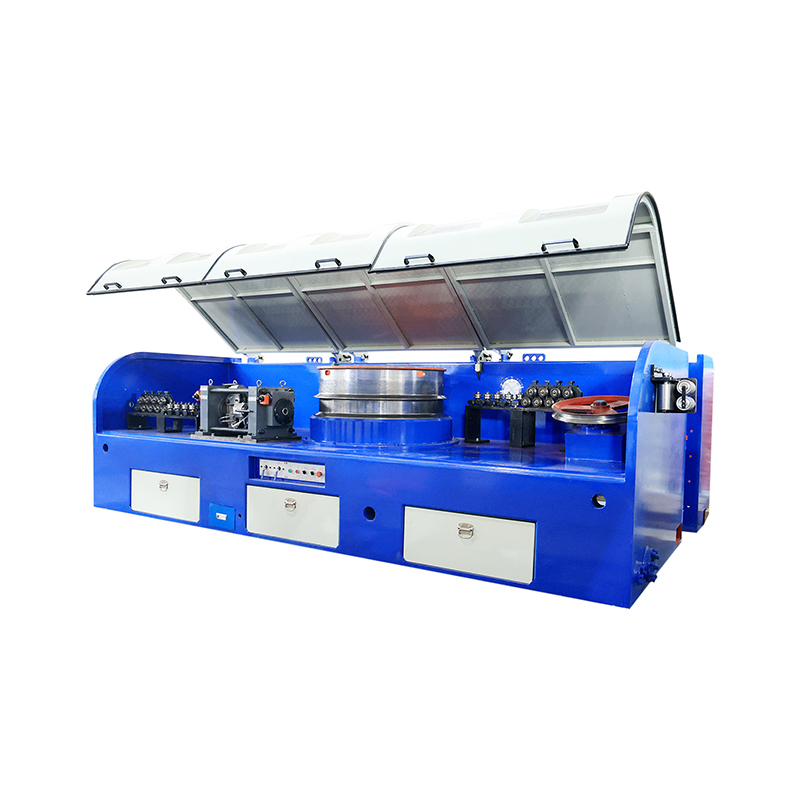
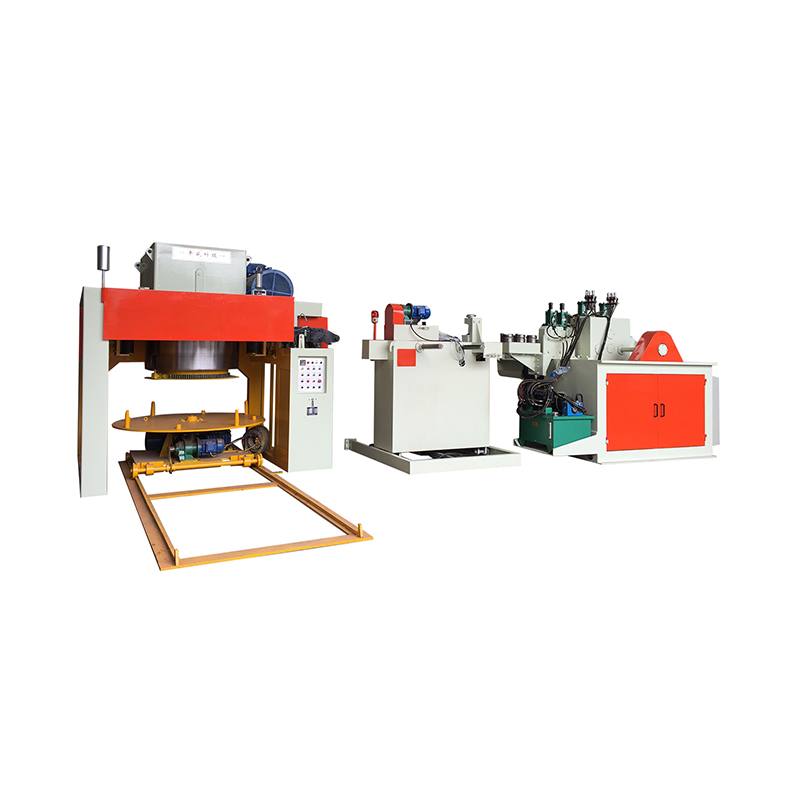
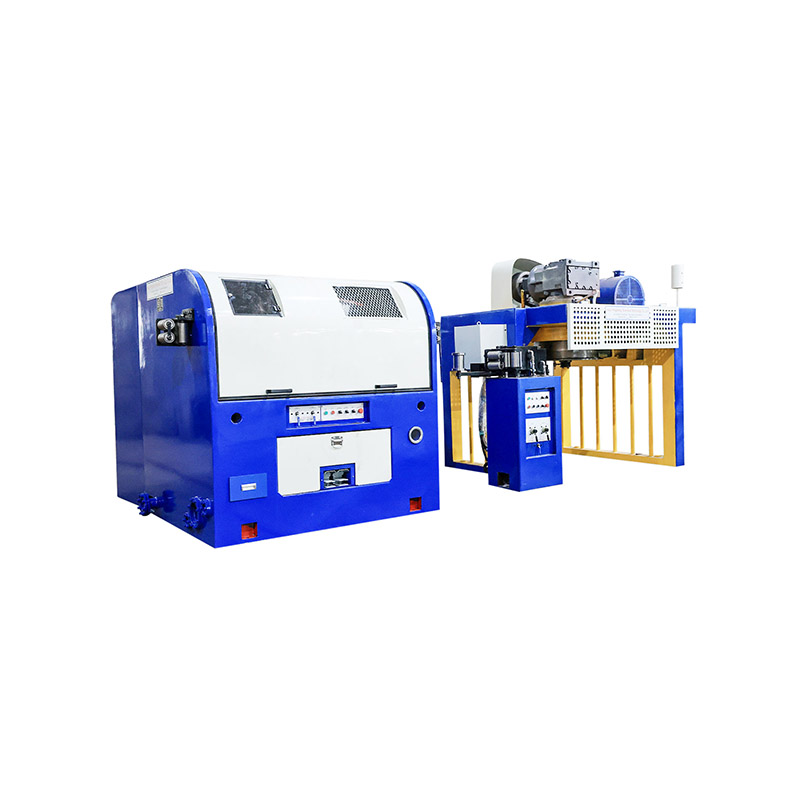
A trefilagem é um dos processos de usinagem mais fundamentais na fabricação - puxar hastes ou fios de metal através de uma série de matrizes progressivamente menores para reduzir seu diâmetro, melhorar suas propriedades mecânicas e obter tolerâncias dimensionais precisas. Mas a trefilação não é um processo único e uniforme. Os dois métodos principais - trefilação a seco e trefilação a úmido - diferem significativamente na forma como a lubrificação é aplicada, nos diâmetros de fio que eles manuseiam, nos acabamentos superficiais que produzem e nos equipamentos e custos operacionais que envolvem. A escolha do processo errado para uma determinada aplicação leva a defeitos superficiais, desgaste da matriz, velocidades de produção reduzidas e fio acabado que não atende às especificações. Este guia explica ambos os processos em termos práticos e descreve como determinar qual deles é o mais adequado para suas necessidades de produção.
Como funciona a trefilação
Antes de comparar os dois processos, vale a pena estabelecer o que envolve a trefilação em um nível fundamental. Uma haste ou fio de metal – normalmente feito de aço, cobre, alumínio ou outros metais dúcteis – é puxado através de uma matriz com uma abertura cônica menor que o diâmetro do fio de entrada. À medida que o fio passa pela matriz, sua seção transversal é reduzida e alongada. Essa redução aumenta a resistência à tração por meio do endurecimento, melhora o acabamento superficial e atinge tolerâncias dimensionais rígidas que a laminação a quente ou a fundição não conseguem produzir.
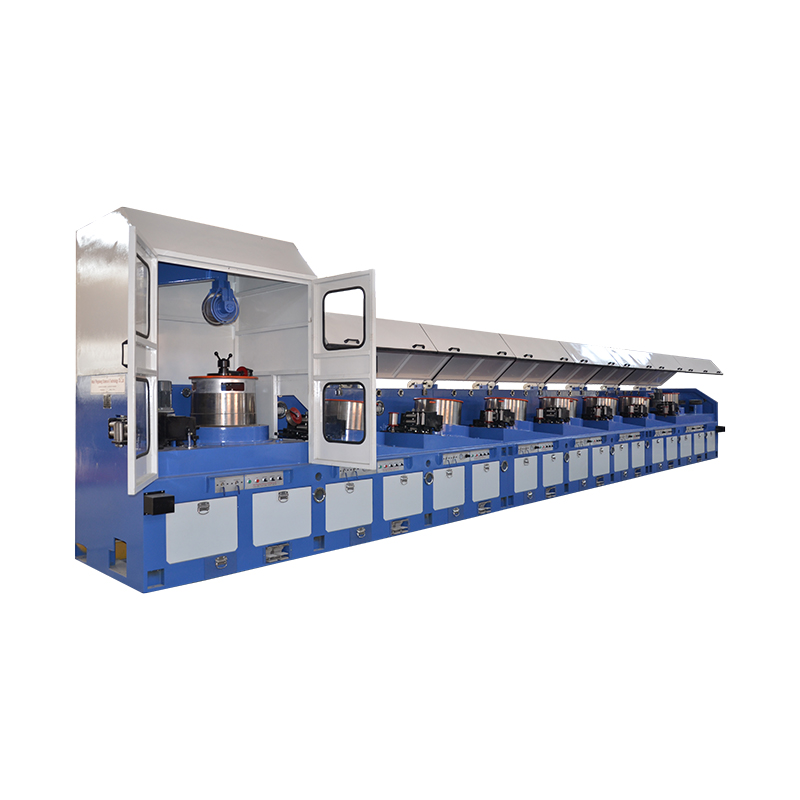
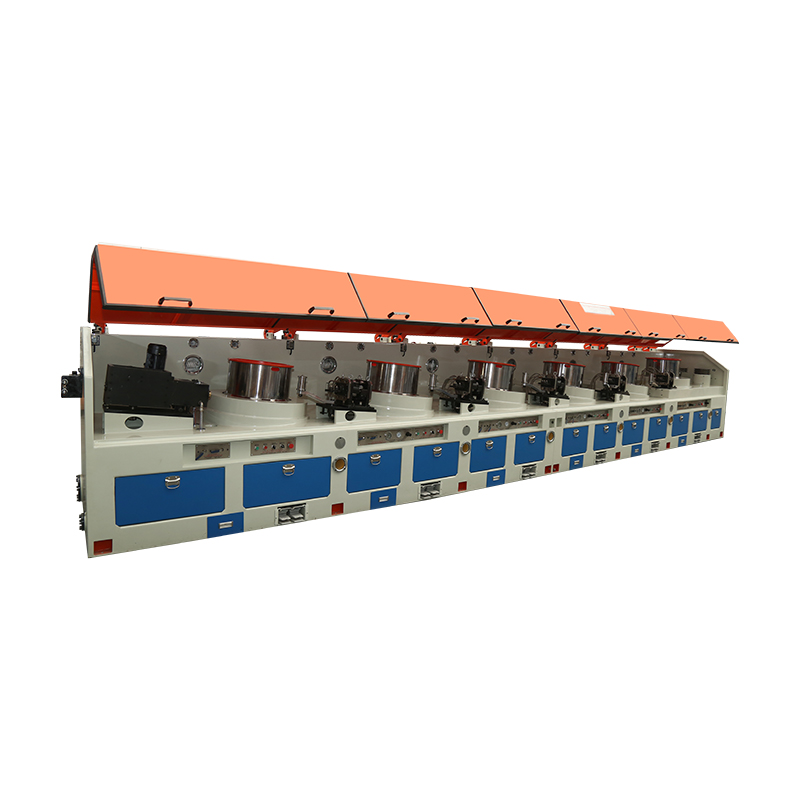
Na prática industrial, o fio raramente é reduzido ao seu diâmetro final numa única passagem. As máquinas de trefilação de múltiplas matrizes puxam o fio através de uma sequência de matrizes em uma única operação contínua, com cada matriz produzindo uma redução incremental controlada. A redução percentual por passe, o ângulo da matriz, a velocidade de trefilação e, principalmente – o método de lubrificação – determinam a qualidade do fio acabado e a vida útil das matrizes. É aqui que os desenhos secos e úmidos divergem.
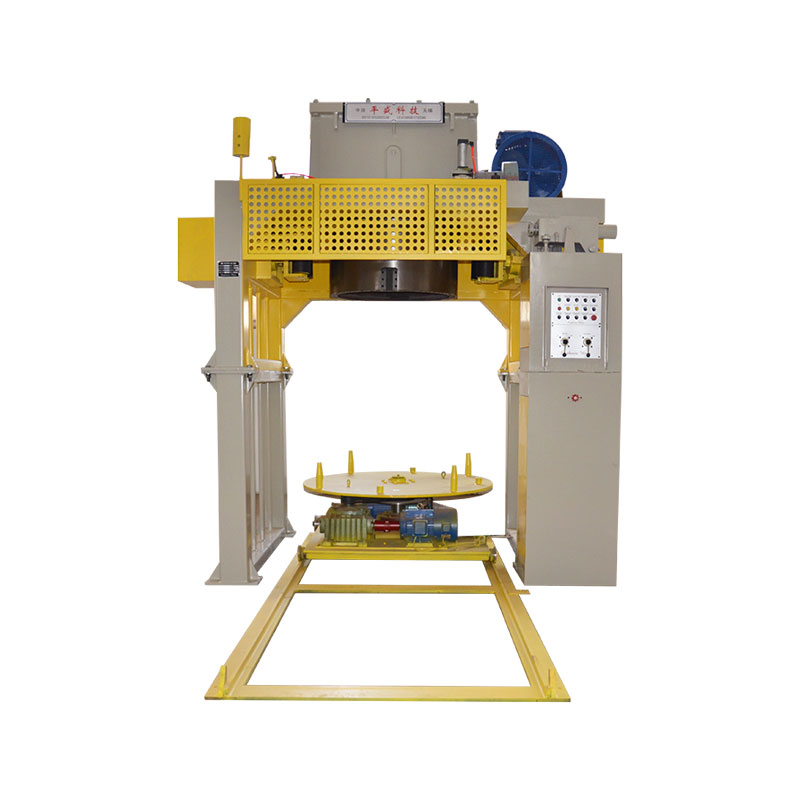
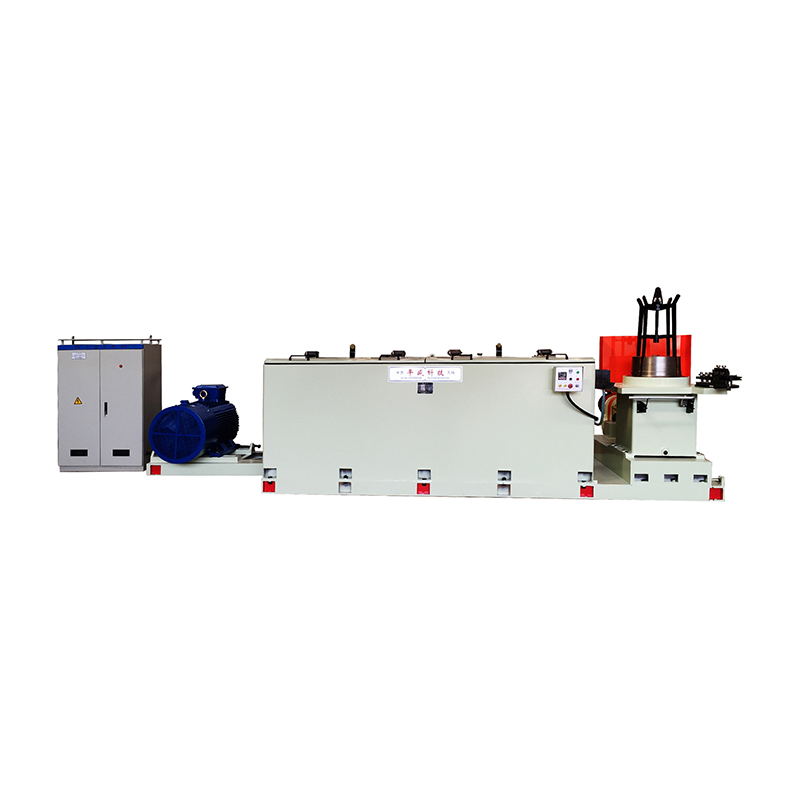
O que é trefilação de fio seco?
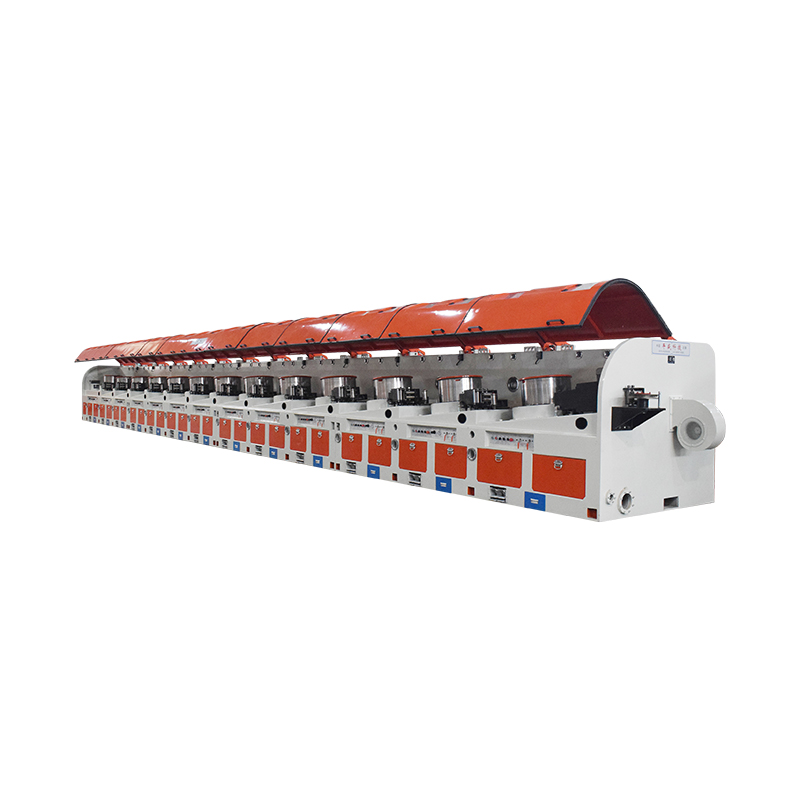
Na trefilagem a seco, a lubrificação é aplicada na forma sólida ou em pó, e não na forma líquida. O fio que entra passa por uma caixa de lubrificante – um recipiente cheio de lubrificante seco, mais comumente um sabão em pó metálico, como estearato de cálcio ou sódio – imediatamente antes de entrar na matriz. À medida que o fio puxa o lubrificante para dentro da matriz, a pressão mecânica e o calor na interface da matriz convertem o pó em uma película fina e aderente que reduz o atrito entre a superfície do fio e a parede da matriz.
A trefilação a seco é o processo padrão para fios de diâmetro médio a grande, normalmente variando de aproximadamente 1 mm até tamanhos de haste de 10 mm ou mais, dependendo do material. É amplamente utilizado para a produção de fio de aço, incluindo fio de mola, fio de cabo de aço, fio de cerca, fio de soldagem e fio de engenharia em geral. O processo opera em velocidades de trefilação relativamente mais baixas em comparação com a trefilação úmida – normalmente entre 1 e 30 metros por segundo, dependendo do tamanho do fio e do material – porque o filme lubrificante seco fornece dissipação de calor menos eficiente do que a lubrificação líquida.
Vantagens do desenho a seco
A trefilação a seco oferece equipamento mais simples e operação mais fácil do que a trefilação úmida. A ausência de lubrificação líquida significa que não há sistemas de filtragem de lubrificante, nenhum gerenciamento de líquido refrigerante e nenhum risco de contaminação do ambiente de trabalho por lubrificante na forma de névoa ou spray de fluido. A configuração e a troca entre classes ou tamanhos de fio são relativamente simples. O processo também é mais adequado para materiais onde o lubrificante residual na superfície do fio é aceitável ou mesmo benéfico – por exemplo, fio de aço revestido de fosfato destinado ao processamento subsequente, como cabeçote a frio ou enrolamento de mola, onde o lubrificante de sabão atua como um transportador para lubrificação adicional durante o processo.
Limitações do desenho a seco
A principal limitação da trefilação a seco é que ela não consegue lidar com eficiência com diâmetros de fio muito finos. Abaixo de aproximadamente 0,5–1 mm, o filme lubrificante seco torna-se inconsistente na interface da matriz, levando a maior atrito, desgaste da matriz e quebra do fio. A remoção de calor também é menos eficaz do que na trefilação úmida porque não há refrigerante líquido para absorver e transportar o calor friccional gerado na matriz. Isso limita a velocidade de trefilação e torna a trefilação a seco inadequada para a produção de fios finos, onde são necessários alta precisão e alto rendimento.
O que é trefilação de fio úmido?
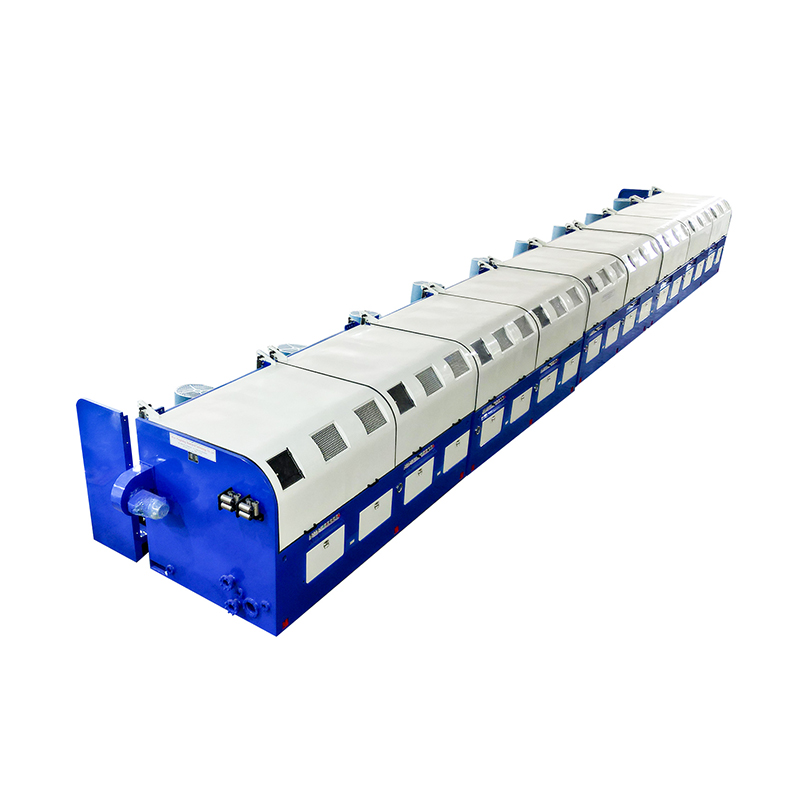
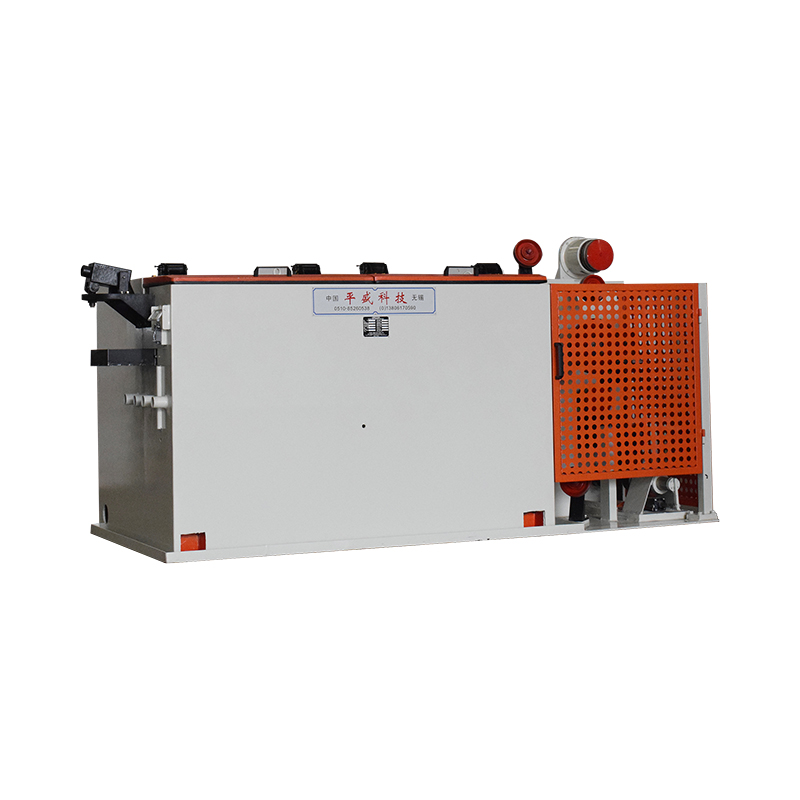
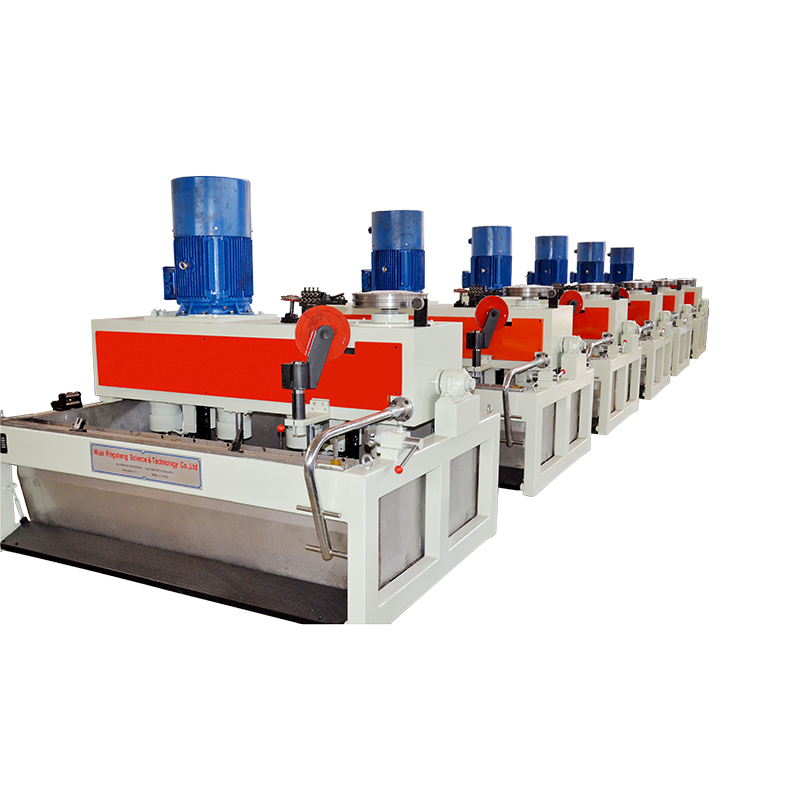
Em trefilagem molhada , todo o processo de trefilação – arame, matrizes, cabrestantes e tudo mais – é submerso ou continuamente inundado com lubrificante líquido. O lubrificante é normalmente uma emulsão de água e óleo de trefilação, ou uma solução lubrificante sintética formulada para um propósito específico, circulada pela máquina em concentração, temperatura e pH controlados. Como tanto o arame quanto as matrizes ficam totalmente imersos em lubrificante durante todo o processo, o atrito na interface da matriz é minimizado, o calor é removido continuamente e a superfície do arame é mantida sempre limpa e fria.
A trefilação úmida é o processo padrão para a produção de fios finos e ultrafinos. Ele lida com diâmetros de fio de aproximadamente 0,5 mm até diâmetros medidos em mícrons – os melhores condutores elétricos, fios de dispositivos médicos e fios de instrumentação são produzidos exclusivamente por trefilação úmida. Altas velocidades de trefilação, muitas vezes superiores a 30 metros por segundo em máquinas de arame fino e atingindo mais de 1.000 metros por segundo em certas aplicações ultrafinas, são possíveis porque o lubrificante líquido fornece lubrificação e resfriamento contínuos e altamente eficientes simultaneamente.
Vantagens do desenho úmido
A trefilação úmida é excelente na produção de fios finos e muito finos em alta velocidade, com excelente acabamento superficial e rígido controle dimensional. A película de lubrificação líquida consistente na interface da matriz reduz o atrito de maneira mais uniforme do que o pó lubrificante seco, resultando em menores taxas de desgaste da matriz por unidade de fio trefilado e melhor qualidade da superfície do fio acabado. O efeito de resfriamento contínuo significa que a velocidade de trefilação não é limitada pelo acúmulo de calor, o que torna a trefilação úmida muito mais produtiva do que a trefilação a seco para aplicações de arame fino. O processo também é mais adequado para metais não ferrosos, como cobre e alumínio, que são comumente usados em bitolas finas para condutores elétricos.
Limitações do desenho úmido
A trefilação úmida requer equipamentos mais complexos e caros do que a trefilação a seco. O sistema de circulação de lubrificante – incluindo tanques, bombas, unidades de filtragem e controle de temperatura – acrescenta custo de capital, requisitos de manutenção e complexidade operacional. O gerenciamento de lubrificantes é uma responsabilidade contínua: a concentração, o pH e os níveis de contaminação devem ser monitorados e controlados para manter condições de extração consistentes. O descarte do lubrificante usado também é uma consideração de custo e ambiental que a trefilação a seco evita. Para fios de diâmetro maior, o custo e a complexidade da trefilação úmida não podem ser justificados pelo benefício de desempenho, razão pela qual a trefilação a seco permanece dominante nesses tamanhos.
Comparação direta: trefilação de fio seco versus úmido
| Fator | Desenho a seco | Desenho molhado |
| Tipo de Lubrificação | Pó seco/sabão | Emulsão líquida/sintética |
| Faixa de diâmetro do fio | ~1mm a 10mm | ~0,5 mm até mícrons |
| Velocidade de desenho | Inferior (1–30 m/s típico) | Maior (fio fino de até 1.000 m/s) |
| Eficiência de resfriamento | Limitado | Excelente (resfriamento líquido contínuo) |
| Acabamento de superfície | Bom; resíduo de sabão presente | Acabamento limpo e brilhante |
| Complexidade do equipamento | Inferior | Superior (sistema de lubrificação necessário) |
| Custo Operacional | Inferior for medium/large wire | Superior (gerenciamento de lubrificantes, descarte) |
| Materiais Típicos | Aço, aço inoxidável | Cobre, alumínio, aço fino |
| Taxa de desgaste da matriz | Moderado a superior | Inferior (better lubrication film) |
Considerações materiais que influenciam a escolha
O metal a ser trefilado é um dos fatores mais importantes na seleção do processo. O fio de aço, especialmente os tipos de aço com alto teor de carbono e para molas, é predominantemente trefilado a seco. O pré-tratamento com fosfato e sabão aplicado à barra de aço antes da trefilação cria um transportador lubrificante combinado e um sistema lubrificante que funciona efetivamente em condições de trefilação a seco, produzindo arame com boa qualidade de superfície para aplicações mecânicas. O aço inoxidável apresenta mais desafios devido à sua taxa de endurecimento e menor condutividade térmica, e medidores inoxidáveis mais finos geralmente exigem trefilação úmida com lubrificantes formulados para esse fim.
O cobre e as ligas de cobre são predominantemente trefilados a úmido, refletindo os calibres finos envolvidos na produção de condutores elétricos e as altas velocidades de trefilação necessárias para a viabilidade comercial. O fio de alumínio para aplicações elétricas também é trefilado a úmido em bitolas finas, embora o fio de alumínio mais grosso usado em cabos de transmissão aéreos possa ser trefilado a seco. Metais especiais como titânio, ligas de níquel e metais preciosos para aplicações médicas ou eletrônicas são quase exclusivamente trefilados a úmido devido aos diâmetros finos e aos padrões de acabamento superficial exigidos.
Como decidir qual processo é certo para você
A seleção entre trefilação a seco e úmida não é uma decisão puramente técnica — ela também reflete o volume de produção, a capacidade de investimento de capital e o que o fio acabado precisa fazer. As seguintes perguntas ajudam a enquadrar a decisão:
- Qual é o diâmetro do fio alvo? Se o fio acabado estiver acima de aproximadamente 1 mm, a trefilação a seco é provavelmente o processo apropriado e mais econômico. Abaixo de 0,5 mm, a trefilação úmida é essencialmente a única opção viável para qualidade consistente e eficiência de produção.
- Que material você está desenhando? Aço e aço inoxidável em bitolas médias a grandes têm como padrão trefilação a seco. Cobre, alumínio e metais especiais em medidores finos são padronizados para trefilação úmida. Onde o material estiver no limite, o acabamento superficial e os requisitos de processamento posterior determinarão a melhor escolha.
- Que acabamento superficial a aplicação exige? Se o fio acabado deve ser brilhante, limpo e livre de resíduos de lubrificante – por exemplo, para condutores de cobre nus, fio médico ou fio de instrumento fino – é necessária a trefilação úmida. Se uma superfície revestida com sabão for aceitável ou útil para processamento posterior, a trefilação a seco será suficiente.
- Qual velocidade de desenho e rendimento você precisa? A produção de fios finos em grandes volumes exige altas velocidades que somente a trefilação úmida pode sustentar. A produção de médio volume de fios de bitola mais pesada em uma instalação mais simples pode tornar a trefilação a seco mais produtiva quando todos os custos de equipamento e manutenção são levados em consideração.
- Quais são as suas restrições de capital e custos operacionais? A trefilação a seco requer equipamentos menos complexos e menores custos contínuos de gerenciamento de lubrificantes. A trefilação úmida exige maior investimento inicial e gerenciamento contínuo do sistema de lubrificação, mas oferece o desempenho necessário para fios finos que não podem ser produzidos de outra forma.
Em practice, many wire manufacturers operate both dry and wet drawing lines, using each for the wire sizes and materials where it performs best. The choice is ultimately determined by the combination of wire diameter, material, required surface finish, production speed targets, and the economics of the specific product being manufactured. Getting this decision right at the process planning stage — rather than retrofitting the wrong process after problems emerge in production — is where the real value of understanding both methods lies.